Oil is the lifeblood of car, truck, and motorbike engines. Perhaps more importantly oil keeps industries running by protecting the equipment needed to produce the products we need in our daily lives. Whether in an automobile engine, or in industrial machinery, oil picks up a lot of contaminants which can cause enormous damage as it passes through. Oil filtration is the partial removal of these harmful solid particles from this critical liquid through a filter material. Read More…
Our company is the filtering systems expert. We know everything there is to know about filtering liquids and oils for many industries ranging from the petrochemical industry to waste water management. It is our goal to provide customized solutions that you can trust and rely on every day. You will find that our attention to detail and superior service can help you in multiple ways. Contact us to...

At Dynamic Air Inc., we specialize in providing advanced filtration systems designed to meet the diverse needs of industries worldwide. Our team is committed to delivering high-performance products that ensure air quality and system efficiency. We design and manufacture a wide range of filtration solutions, including air filters, dust collectors, and ventilation equipment, tailored to enhance...

At Camfil APC, we are driven by a commitment to cleaner air and a healthier environment through the design and manufacture of advanced industrial filtration systems. As a global leader in air pollution control, we specialize in developing dust, mist, and fume collection solutions that protect workers, improve manufacturing efficiency, and ensure regulatory compliance.
At All American Air Filters, we take pride in delivering high-performance filtration solutions that protect air quality, extend equipment life, and support healthier environments across industrial, commercial, and institutional settings. Our expertise spans the design and manufacture of advanced air filtration systems engineered to capture contaminants, control particulates, and maintain optimal...
At Freudenberg Filtration Technologies, we dedicate ourselves to advancing air and liquid filtration systems that safeguard people, processes, and the planet. We combine decades of expertise with continual innovation to create solutions that enhance air quality, improve operational efficiency, and protect valuable assets.


More Oil Filtration Manufacturers
Comprehensive Guide to Industrial Oil Filtration Systems
Industrial oil filtration systems are essential for the reliable operation of heavy machinery, manufacturing equipment, and hydraulic systems across various sectors. By leveraging advanced filtration technologies, these systems remove contaminants and particulates from lubricating, hydraulic, and engine oils, safeguarding equipment, optimizing performance, and reducing operational costs. Whether you are looking to extend the lifespan of your assets, improve efficiency, or minimize downtime, understanding the different types of oil filtration, their benefits, and how to select the right equipment manufacturer is crucial.

What Is Industrial Oil Filtration?
Industrial oil filtration refers to the process of removing contaminants, particulates, water, and other impurities from industrial lubricants and hydraulic fluids. As oil circulates through machinery, it collects dirt, metal shavings, water, varnish, and other potentially harmful substances. These contaminants, if left unchecked, can cause abrasive wear, corrosion, and premature equipment failure. Effective oil filtration is vital to maintain optimal oil cleanliness, extend oil life, and protect critical components from damage.
Industrial oil filtration systems are utilized in a wide range of applications, including manufacturing plants, power generation facilities, mining operations, marine engines, transportation fleets, food processing, and more. They play a pivotal role in preventive maintenance programs by ensuring that oils meet stringent cleanliness standards such as ISO 4406 or NAS 1638.
Types of Oil Filtration Systems and Technologies
Various oil filtration technologies exist to address different contaminant types, oil viscosities, and operational needs. The main categories include centrifuge filtration, vacuum dehydration, bypass filtration, and full-flow filtration. Let's explore each system, how it works, and its ideal use cases.
Centrifuge Filtration
Centrifuge oil filtration systems use centrifugal force to separate contaminants from oil while machinery is still in operation. As oil enters the centrifuge at the inlet valve, the spinning motion generates high gravitational forces. This force pushes heavier particles and contaminants—such as metal debris, sludge, and soot—to the outer wall of the centrifuge bowl. The cleaned oil is then returned to the equipment, while collected contaminants are periodically removed from the bowl during maintenance.

Unlike traditional barrier-type oil filters, centrifuge filtration does not rely on a filtration medium or filter element. Instead, it separates particles based on their density relative to the oil. This allows the system to remove both large and fine particles, especially those that are denser than the oil itself. Centrifuge oil filters are commonly used in diesel engines, marine vessels, power plants, and industrial hydraulic systems where a high level of reliability and oil cleanliness is required.
- Key Advantages: Removes fine and dense particulates, operates continuously, reduces filter replacement costs, and improves engine reliability.
- Ideal Applications: Marine engines, diesel generators, mining equipment, turbines, and heavy-duty hydraulic systems.
- Limitation: Ineffective for removing water or particles less dense than oil.
Considering a Centrifuge Oil Filtration System?
Are you evaluating how centrifuge oil filters can minimize abrasive wear in your diesel engines or turbines? Contact our experts or browse reviews from industry peers to guide your decision.
Vacuum Dehydration Oil Filtration Systems (VDOPS)
Vacuum dehydration is a highly effective oil purification technology designed specifically for the removal of water—free, emulsified, and dissolved—as well as volatile gases and particulates from industrial oils. In this process, oil is gently heated (typically up to 150°F / 66°C), ensuring the oil's integrity is maintained while water and gases are vaporized. A vacuum pump then extracts these vapors, leaving behind clean, dry oil.

The purified oil passes through a permanent dispersion media (PDM) in the vacuum chamber, which maximizes the surface area for water evaporation. Since the boiling point of water is lowered under vacuum, even tightly emulsified or dissolved water is efficiently removed. The system also extracts entrained gases such as air, nitrogen, and carbon dioxide, further improving oil quality. After dehydration, the clean oil is pumped back into the reservoir for reuse.
- Key Advantages: Removes all forms of water and gases, prevents rust and corrosion, extends oil and equipment life, and supports compliance with cleanliness standards.
- Ideal Applications: Power generation (transformer oil, turbine oil), hydraulic systems, gearboxes, paper mills, food processing, and any process sensitive to water contamination.
- Limitation: Higher initial investment and maintenance costs compared to basic filtration systems.
Do You Need to Remove Water from Your Oil?
Struggling with water contamination in your hydraulic fluids or transformer oil? Request a technical consultation to learn whether vacuum dehydration technology is right for your application.
Bypass Oil Filtration
Bypass filtration is a supplemental oil cleaning process used alongside full-flow filtration. In this system, a small portion (typically 5-10%) of the circulating oil is diverted through a fine, high-efficiency bypass filter, often with a higher pressure differential than full-flow filters. The oil passes through the bypass filter at a slower rate, allowing for the removal of extremely small particles, soot, and micro-contaminants that standard filters may not capture.

Bypass oil filtration is particularly effective in diesel engines, generator sets, and industrial machinery that operate under high loads and generate fine particulates. These systems can be integrated into existing lubrication circuits, offering continuous oil purification and reducing the frequency of oil changes.
- Key Advantages: Captures finer particles than full-flow filters, extends oil and filter life, reduces maintenance intervals, and supports proactive maintenance strategies.
- Ideal Applications: Commercial vehicles, construction machinery, generator sets, and industrial process equipment.
- Limitation: Does not process the full oil flow at once; best used as a complement to full-flow filtration.
Want Cleaner Oil Between Scheduled Changes?
Interested in reducing engine wear and extending oil drain intervals? Explore bypass oil filtration options to maximize your equipment’s longevity.
Full-Flow Oil Filtration
Full-flow filtration systems are the primary method of oil filtration in most engines and hydraulic systems. These systems feature a pump that circulates oil through a full-flow filter before delivering it to engine bearings, gears, or hydraulic actuators. The filter’s purpose is to trap large particles and debris that could cause abrasion or clog sensitive components.
In dry sump engine configurations, a secondary pump may return oil from the sump to a remote storage tank. Full-flow filters are designed with sufficient holding capacity to allow oil to flow freely while maintaining low pressure drop, requiring maintenance only at predetermined intervals. For enhanced protection, full-flow systems are often paired with bypass filters.
- Key Advantages: Provides continuous protection, simple maintenance, compatible with most equipment, and serves as the foundation of oil cleanliness.
- Ideal Applications: Automobiles, trucks, industrial engines, compressors, agricultural machinery, and general manufacturing.
Is Your Equipment Properly Protected?
Not sure which oil filtration system your machinery needs? Compare full-flow and bypass solutions or get expert guidance on filtration upgrades for your application.
Additional Oil Filtration Technologies and Innovations
Beyond the core systems outlined above, the oil filtration industry continues to innovate. Newer filtration equipment may combine elements of mechanical filtration, electrostatic separation, depth filtration, magnetic particle separation, and advanced synthetic filter media to address specific operational challenges. For instance:
- Electrostatic Oil Cleaners: Use high-voltage fields to attract and trap sub-micron contaminants such as varnish, resins, and oxidation byproducts—ideal for hydraulic and turbine oils.
- Magnetic Oil Filters: Employ powerful magnets to remove ferrous particles and metallic debris, commonly used in gearboxes and transmission systems.
- Depth Filtration Systems: Utilize thick, multilayer filter media to trap particles throughout the filter’s depth, offering high dirt-holding capacity for industrial lubrication systems.
How Do You Choose the Right Filtration Technology?
Are you evaluating solutions for challenging contaminants or unique operating environments? Request a custom oil analysis and filtration recommendation based on your exact requirements.
Benefits of Industrial Oil Filtration Systems
- Cost Savings: Regular oil filtration extends the usable life of lubricants and hydraulic fluids, reducing the frequency and expense of oil changes and new oil purchases.
- Enhanced Equipment Performance: Cleaner oil ensures smoother operation, reduces friction, and helps machinery run at peak efficiency, resulting in higher productivity and less unplanned downtime.
- Extended Equipment Life: By removing abrasive contaminants, oil filtration protects bearings, gears, valves, and pumps, ultimately increasing the lifespan of expensive industrial assets.
- Environmental Sustainability: Reusing and recycling oil through effective filtration minimizes waste and supports environmental compliance by reducing the need for oil disposal.
- Regulatory Compliance: Meeting ISO cleanliness codes and industry-specific standards helps organizations avoid costly fines and supports safe, reliable operations.
- Improved Reliability and Uptime: Preventive maintenance through oil filtration minimizes the risk of catastrophic equipment failures and production losses.
Looking for Ways to Cut Maintenance Costs?
How can oil filtration help your business meet environmental goals or reduce downtime? See case studies or request an ROI analysis for your industry.
Common Applications and Industry Use Cases
Industrial oil filtration systems are deployed in a diverse array of industries and scenarios, each with distinct fluid management needs. Below are some of the most common use cases:
- Manufacturing: CNC machines, presses, and automation equipment rely on filtered hydraulic and lubricating oils to prevent breakdowns and maintain precision tolerances.
- Power Generation: Turbine oil filtration ensures reliability and longevity for gas, steam, and hydro turbines, as well as transformers and large generators.
- Mining and Construction: Mobile and stationary equipment such as excavators, loaders, and haul trucks benefit from cleaner engine and hydraulic oils, minimizing wear in demanding environments.
- Marine and Offshore: Ships and offshore platforms use oil filtration to protect propulsion systems, winches, crane hydraulics, and auxiliary machinery.
- Transportation: Fleets of commercial vehicles, buses, and trains implement bypass and full-flow oil filtration to reduce maintenance costs and extend oil change intervals.
- Food and Beverage: Lubrication systems in food processing plants require specialized, food-grade oil filtration to comply with safety and quality regulations.
Which Industries Rely Most on Oil Filtration?
Curious how leading companies in your field maximize uptime and reduce maintenance costs? Browse industry-specific oil filtration solutions and best practices.
Factors to Consider When Selecting Oil Filtration Equipment
Choosing the right oil filtration system involves evaluating technical requirements, operational objectives, and total cost of ownership. Here are key decision factors to consider:
- Contaminant Type and Level: Analyze the size, type, and quantity of contaminants present in your oil using oil analysis reports.
- Oil Type and Viscosity: Different filtration technologies are optimized for various oils—hydraulic, gear, engine, turbine, or transformer oil.
- Flow Rate and System Pressure: Ensure filtration equipment matches the flow and pressure demands of your machinery.
- Operating Environment: Consider temperature extremes, exposure to water, airborne debris, and other environmental factors.
- Maintenance Needs: Evaluate how often filters must be changed or cleaned and whether automation is possible.
- Regulatory Standards: Be aware of industry standards for oil cleanliness and environmental compliance.
- Initial Investment vs. Lifecycle Cost: Compare upfront purchase price, installation, consumables, and ongoing maintenance costs.
Need Help Specifying a Filtration System?
Want to compare top oil filtration equipment brands or get quotes for your facility? Use our RFQ form to contact multiple manufacturers or schedule a free equipment assessment.
How to Choose the Best Oil Filtration Equipment Manufacturer
To ensure optimal results when investing in oil filtration solutions, it's critical to partner with a reputable and experienced oil filtration equipment manufacturer. Here’s how to streamline your selection process:
- Research and Compare: Use our directory of oil filtration equipment manufacturers to evaluate and compare top companies based on their expertise, product range, and customer reviews.
- Review Business Profiles: Each manufacturer’s profile includes details about their core competencies, certifications, industries served, and unique value propositions.
- Preview Websites: Leverage our patented website previewer to quickly identify which manufacturers align with your specific filtration needs.
- Request Information or Quotes: Use our integrated contact forms to request technical data, pricing, or custom quotes directly from manufacturers.
- Submit an RFQ: Our streamlined RFQ (Request for Quote) process lets you reach out to multiple oil filtration equipment vendors simultaneously, saving you time and ensuring competitive offers.
Ready to Find the Ideal Oil Filtration Partner?
What are the latest trends among leading oil filtration equipment companies? Compare manufacturers, read case studies, or schedule a discovery call with our team to start your procurement journey.
Frequently Asked Questions about Oil Filtration Systems
- How often should oil filters be changed in industrial equipment?
Filter replacement intervals depend on operating conditions, oil cleanliness targets, and filter type. Consult your equipment manual or request an oil analysis to optimize your maintenance schedule. - What oil cleanliness standards should I follow?
Common standards include ISO 4406 for particle contamination and NAS 1638 for aerospace and military applications. Your industry may specify additional requirements. - Can oil filtration systems remove water and varnish?
Yes. Vacuum dehydration systems remove water, while electrostatic oil cleaners target varnish and sub-micron contaminants. Multi-stage systems may combine several technologies. - How do I know which oil filtration method is right for my application?
Factors such as contaminant type, oil viscosity, flow rate, and operating environment will determine the best filtration approach. Request an oil analysis for personalized recommendations. - What’s the ROI for investing in industrial oil filtration?
ROI depends on reduced oil consumption, fewer breakdowns, longer equipment life, and decreased downtime. Many businesses see payback within months through lower maintenance expenses.
Get Started: Request a Quote or Contact Our Oil Filtration Experts
Whether you need a turnkey oil filtration system, replacement filters, or technical advice, our team is here to help. Use our RFQ form to request quotes from multiple oil filtration equipment manufacturers, or reach out for a personalized consultation. Our experts can assist with system design, troubleshooting, oil analysis, and ongoing maintenance support.
For more information, visit our industrial filtration equipment hub or explore our resource library for detailed guides, case studies, and industry insights.
Optimize your production, protect your assets, and reduce your costs—invest in advanced industrial oil filtration systems today.
 Air Filters
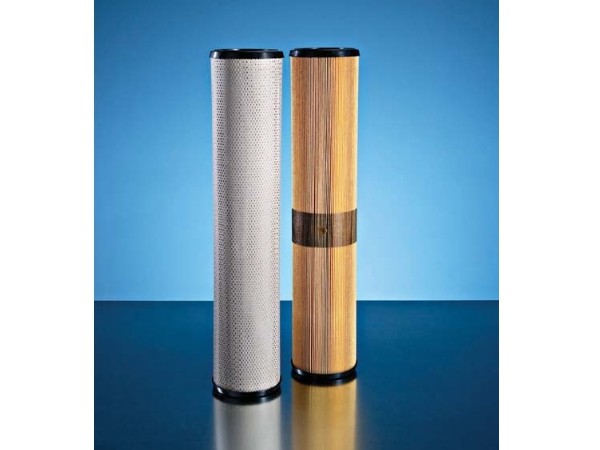 Liquid Filters
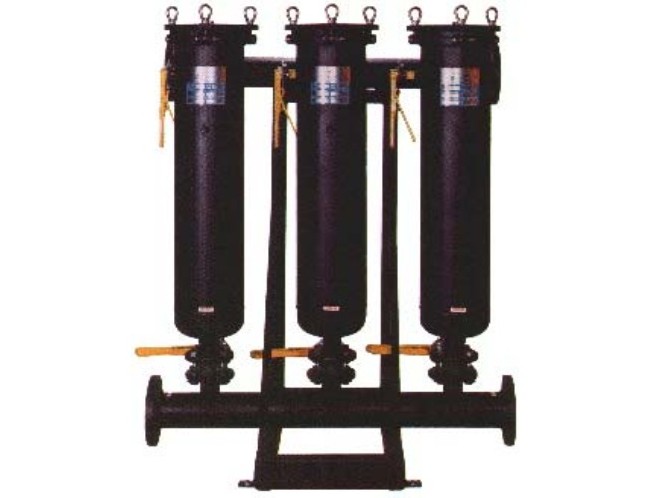 Filtering Systems
 Castings & Forgings
 Bulk Material Handling
 Electrical & Electronic Components
 Flow Instrumentation
 Hardware
 Material Handling Equipment
 Metal Cutting Services
 Metal Forming Services
 Metal Suppliers
 Motion Control Products
 Plant & Facility Equipment
 Plant & Facility Supplies
 Plastic Molding Processes
 Pumps & Valves
 Recycling Equipment
 Rubber Products & Services